Three Rental Real Estate Expenses the IRS May Be Watching Closely
Most rental deductions are grouped together on IRS transcripts—but mortgage interest, depreciation, and repairs are listed separately. Here’s why that matters and how to stay compliant.
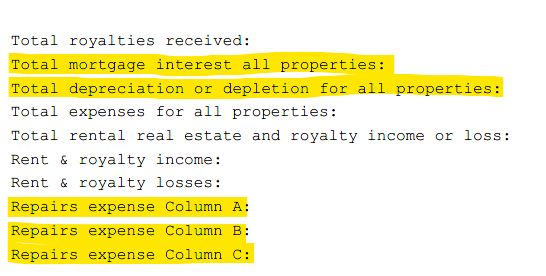
Here are the three rental expenses I believe may draw a bit more scrutiny:
- Mortgage interest
- Depreciation
- Repairs
Why these three?
If you’ve ever reviewed an IRS tax return transcript, you may have seen something subtle but important: most rental expenses are consolidated into a single line item, typically labeled something like “Total expenses for all properties.”
But not all of them.
Three categories are broken out separately and listed explicitly on the transcript - meaning they’re visible at a glance, without any digging.
And those three are:
- Mortgage interest
- Depreciation
- Repairs
What that might mean
When an expense category is isolated on a transcript, it becomes easier for the IRS to compare it year over year, flag outliers, and match it against expected norms for rental activity. That doesn’t automatically mean these deductions are “red flags,” but it does suggest they’re high-value areas where reporting errors are common.
Practical takeaway
If you’re claiming any of these expenses, make sure your documentation and classification are solid:
- Interest tied to rental acquisition or improvement loans should be clearly traceable.
- Depreciation should align with correct basis, placed-in-service dates, and asset life.
- Repairs should be distinguished from improvements and capitalized when required.
Quick disclaimer: this is a working theory based on patterns we’ve noticed, not an official IRS position. We can’t say for certain that this is happening - but it’s worth paying attention to.
Comments (0)
Leave a Comment

ISG CPA LLC - Your Trusted Financial Partner